
Research Peptide Suppliers Compared
Compare five research peptide suppliers by certificate of analysis (COA) access, catalog pricing, and ordering terms. Check the exact variant and lot before relying on a report. We reviewed supplier pages on November 12, 2026, unless noted.
Compare suppliers at a glance
Scroll the table sideways to see more columns.
| Supplier | COA access | Price access | Ordering |
|---|---|---|---|
| Amplified Labs | COA Finder by product, sample or report number, or full lot | Public catalog prices | No international shipping or freight forwarding. Confirm address eligibility. |
| Core Peptides | Product page COAs for tested products | Public prices | Within-US service. Territories unspecified. |
| Biotech Peptides | Download COA link on some product pages | Public listing prices | Destination coverage unspecified in reviewed policy |
| Limitless Biotech | Available COAs public | Professional pricing after account approval | FAQ mentions Puerto Rico. Confirm your address. |
| Swiss Chems | Public test-results archive | Public prices for selected listings | Domestic and international policy. Confirm address eligibility. |
Supplier profiles

Amplified Labs
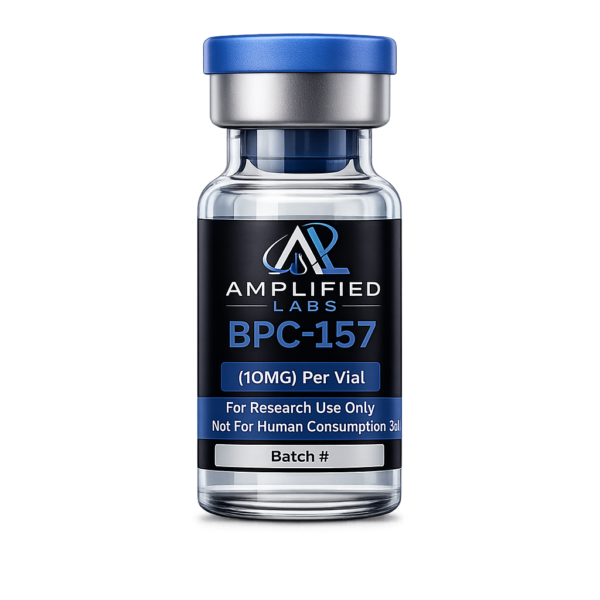
Our catalog shows prices, and our COA Finder lets you look up available original reports. Our testing program covers selected lots.
Use the full lot number on your label to match the product, variant, and lot on the original report.

Core Peptides
Core Peptides says its tested products have COAs on their product pages and lists prices publicly. It states that it serves the US. Confirm coverage for your specific address.
Confirm the product page shows a COA for the exact variant you plan to order and ask how it relates to the lot you will receive.

Biotech Peptides
Biotech Peptides shows prices on its catalog listings. Some product pages include a COA download. Its shipping page covers processing and delivery terms.
Ask which lot a product-page report covers and whether that lot is available for the variant you need.

Limitless Biotech
Available COAs are public. Professional pricing requires an approved professional account, and the FAQ mentions Puerto Rico.
Confirm your address and the expected approval time for a professional account.

Swiss Chems
Swiss Chems displays prices for selected catalog listings and has a public Independent Test Results archive. Its shipping policy describes domestic and international service with destination-specific conditions.
Match the archived report to the material, pack option, and lot you would receive. Check the policy for your address.
How we compared the suppliers
We reviewed public catalog listings, available report routes, and published ordering policies on November 12, 2026. The comparison covers catalog research materials. Each report covers the samples and tests it identifies. Confirm the exact variant, lot, and order terms for your lab.
How to compare research peptide suppliers
Compare the exact material and pack size
Start with the lab’s specification. Catalog suppliers list predefined materials and variants. Custom synthesis begins with a specification and quote for material the catalog does not cover.
- Material identity and code
- Confirm the listed name and the variant or product code match your requisition. Treat similar names as different items until the codes and descriptions line up.
- Form and grade
- Match the listed physical form and stated grade. A difference in either can change documentation and price.
- Salt, counterion and excipients
- Where a listing declares a salt form, counterion or excipient, match it exactly. If one listing states these details and another omits them, ask before treating the two as equivalent.
- Amount and pack structure
- Record the labeled amount per container, containers per pack, and total amount. Match the amount per container as well as the pack total.
- Labeled amount and measured content
- The amount on a listing is a nominal catalog figure. A quantity measured by a test appears on a report and describes that tested sample only.
Same total, different containers
| Pack A | 2 containers × 1 quantity unit each = 2 total units. |
|---|---|
| Pack B | 1 container × 2 quantity units = 2 total units. |
This fictional example has the same total quantity in both packs. If your lab specifies one quantity unit per container, only Pack A matches that requirement.
How to verify a peptide certificate of analysis
Open the original certificate of analysis (COA) and check which sample, lot, and tests it identifies. Then confirm how that report relates to the material you expect to receive.
- Issuer and parties
- Find the testing laboratory that issued the report and any named client. The client may be a seller, manufacturer, or another party. A third-party report has a separate testing lab as its issuer. Check the sample and lot connection separately.
- Dates and identifiers
- The test date records when analysis took place. The issue date records when the report was released. A sample ID identifies the material submitted, a report ID identifies the document, and a lot number identifies a production batch.
- Measured fields
- Read the method and result for each measured attribute. A molecular mass measurement can support an identity check. Purity and measured content answer different questions. Treat endotoxin and sterility as separate tests and look for an explicit result if your lab requires either.
- Report verification and lot match
- A public COA shows a report is available. An issuer lookup can help verify the report reference if the lab offers one. Confirm that the supplier’s shipping lot matches the report, then repeat the match against the label on receipt.
Two ways a lot check can turn out
| Matching lot | The report and received label both show fictional lot EX-2401, and the material and form match. |
|---|---|
| Different lot | The report shows fictional lot EX-2398 and the label shows EX-2402. Request the report for EX-2402 and record the discrepancy. |
A lot match tells you which report applies. Review the tests and results against your lab’s specification before accepting the material.
Compare catalog prices and total cost
Compare the same specification and selling unit first. Then compare what your lab would pay for that quantity after shipping, handling, fees, and applicable tax.
- Normalize the listing
- Match variant, form, nominal amount and pack total, then calculate cost per unit. Note any minimum order that changes what you must buy.
- List, quoted or account price
- Label each figure as a public list price, a quoted price or approved-account pricing, and record when you saw it.
- Total cost
- Multiply the price per pack by the number of packs. Add applicable shipping, handling, fees, and tax. Calculate cost per container only after matching the form and amount in each container.
- Price access and availability
- A visible price confirms only that you can view it. Confirm stock of the exact variant and your eligibility to order separately.
- Reasons for differences
- Differences can reflect pack structure, form, documentation scope, or fees. Check the report and specification to assess the material.
Check ordering, shipping, and receiving
Confirm that your lab and shipping address qualify, then check stock of the exact variant. Amplified Labs’ published shipping policy excludes international orders and freight forwarding. Ask us to confirm eligibility for a specific U.S. territory address.
- Eligibility and approval
- Confirm the supplier sells to your customer type, whether a small lab or an institution. Ask about quotes, purchase orders, account setup and approval steps.
- Address scope
- Compare your shipping address with the supplier’s stated U.S. service scope. Confirm territory addresses directly before placing an order.
- Stock and timing
- Stock tells you whether the exact variant is available. Dispatch is when the order leaves the supplier, and transit is the carrier’s time after handoff. Confirm both dates if timing affects your work.
- Post-sale terms
- Check the cancellation deadline, which items qualify for returns, and the steps for reporting a damaged or missing item. A return policy and a damage claim can have different deadlines.
- Receiving check
- Inspect package condition and contents. Match the material, variant, and lot label to the order, report, and lab specification. Save the receiving record and follow your lab’s procedure for discrepancies.
Before you order
- Product listingCheck the exact material and variant.
- Original reportFind the issuer, lot or sample ID, and tests performed.
- Received labelMatch the lot and investigate any discrepancy.
Frequently asked questions
What should a peptide certificate of analysis include?
Look for the issuing laboratory, test and report dates, the product or form tested, sample and lot references, and the methods and results. Check that the report measures what your lab needs. A result for purity, for example, answers a different question from measured content.
How do I match a COA to the lot I received?
Compare the lot number on the report with the lot number on your container label, then confirm the product and form also match. At Amplified Labs, you can look up available original reports by product, by sample or report number, or by full lot. Our QA program covers selected lots, so check whether a report exists for your specific lot.
What if a research peptide has no COA available?
Ask the supplier whether a report exists for the lot that will ship and when it can be provided. Record the answer and apply your lab documentation requirements before deciding whether to proceed.
Why do several products share the same report ID?
Ask how each listing relates to the sample and lot on the original report. A shared report number identifies a document. Confirm which lot and variant it covers before relying on it.
How can I verify a third-party COA?
Check who issued the original report and use the lab’s lookup service if one is available. Then match the material and lot on the report to the supplier’s records and the label you receive.
Can I see a price before requesting a quote?
Amplified Labs displays catalog prices publicly. A supplier may also show a price only after account approval or provide it by quote. For a fair comparison, request an itemized price for the exact variant, quantity, and delivery address.
Can I order with a purchase order or university account?
Ask the supplier before ordering. Confirm whether it accepts purchase orders, whether an account must be set up and approved first, and which documents your institution needs to submit.
Can small labs order from research peptide suppliers?
Eligibility depends on each supplier’s policy, so confirm before ordering. Ask whether your customer type qualifies, whether account approval is required and whether minimum orders apply.
How long does peptide delivery take?
Ask when the exact variant is expected to dispatch and check the carrier’s transit estimate for your address. Add those stages when planning around a delivery date. If a shipment runs late, check its tracking and contact the supplier with the order details.
What should I check when a peptide order arrives?
Compare package condition, contents, lot and label against your order, the dated report and the listed specifications. Record any discrepancy through your lab receiving process and raise it with the supplier under its damage and replacement terms.
How should I use peptide supplier reviews?
Treat reviews as prompts for questions, such as whether reports are available or how shipping delays are handled. Base purchase decisions on original reports, written terms and your own receiving records.
Questions about a listing, a report, or an address? Contact Amplified Labs.